Rapid Rescore for Mortgage: Cost, Process & Credit Impact in 2026
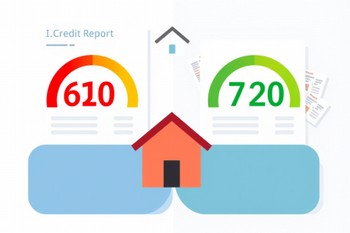 A rapid rescore is a mortgage lender tool that updates credit report information in days instead of the typical 30 to 45 days. For homebuyers who have recently paid down debt or corrected an error, a rapid rescore can mean the difference between a higher interest rate and a lower one—or between loan approval and denial. Understanding your credit score requirements is the first step to knowing whether a rapid rescore makes sense for your situation.
What Is a Rapid Rescore?
A rapid rescore is an expedited credit update service available through mortgage lenders. While standard creditor reporting cycles take 30 to 60 days to reflect a paid-down balance or corrected error, a rapid rescore compresses that timeline to roughly 3 to 5 business days[citation:4][citation:7]. The service is not credit repair. It does not remove accurate negative information. It simply ensures that recent, verifiable financial improvements are reflected in your credit score faster than the normal reporting cycle allows[citation:1][citation:13].
The critical distinction: a rapid rescore makes your credit report accurate and current. If you have paid off a maxed-out credit card but the zero balance has not yet been reported by your creditor, the score your mortgage lender pulls does not reflect your improved financial position. A rapid rescore fixes that gap[citation:7].
How Does the Rapid Rescoring Process Work?
You cannot initiate a rapid rescore yourself. Only a licensed mortgage lender or broker can request one through their credit reporting vendor[citation:13]. The process requires collaboration between you and your loan officer, with specific documentation proving the change you have made.
The Step-by-Step Rapid Rescore Process
- Review Your Credit Report: Your lender pulls a tri-merge report from all three bureaus and identifies specific, correctable issues that are suppressing your score.
- Make Verifiable Changes: You take action, such as paying down a high-utilization credit card or providing proof that a late payment was reported in error.
- Gather Documentation: Your lender needs conclusive proof: bank statements showing the payment, a zero-balance letter from the creditor, or a letter confirming the reporting error.
- Lender Submits the Rescore: Your lender sends a formal request to the credit bureaus through their vendor with the supporting evidence.
- Bureaus Generate a New Score: The credit bureaus verify the documentation, update the specific tradeline, and calculate a refreshed FICO score. The new score replaces the old one entirely—it is not averaged[citation:4].
This process ensures your recent financial behavior is accurately reflected in the score your lender uses for underwriting and pricing decisions, which can be critical for meeting conventional loan credit requirements.
How Long Does a Rapid Rescore Take?
A rapid rescore typically completes within 3 to 5 business days after the lender submits documentation[citation:1][citation:4]. Some credit vendors offer rush options that can deliver results in as little as 24 to 48 hours[citation:11]. This speed is the primary value of the service, particularly when you are under contract on a home and facing a rate-lock expiration.
The alternative is waiting 30 to 45 days for the creditor's next reporting cycle—a timeline that rarely aligns with a mortgage closing deadline. For borrowers who need to hit a specific score threshold before underwriting finalizes their file, the difference between 3 days and 45 days can determine whether they close at all[citation:7].
Rapid Rescore vs. Credit Repair: A Critical Distinction
These two services are fundamentally different, and confusing them can damage your mortgage application. A rapid rescore updates verified, documented changes to your credit file. Credit repair disputes information you believe is inaccurate, a process that can take months and may temporarily freeze tradelines mid-transaction[citation:5][citation:17].
- Goal: Rapid rescoring reflects recent positive changes already true about your credit. Credit repair disputes negative items you believe are inaccurate or unverifiable.
- Timeline: A rescore takes 3 to 5 days. Credit repair dispute cycles take 30 days or more per round.
- Who Initiates: Only your mortgage lender can order a rescore. You or a credit repair company initiate disputes.
- Cost: Lenders pay the rescore fee and typically absorb it. Credit repair companies charge monthly or per-item fees, often upfront.
For mortgage applicants who have already made concrete improvements, a rapid rescore is the faster, transaction-safe option. Credit repair is better suited for situations without a closing deadline, where the goal is long-term credit file accuracy[citation:17].
Which Accounts Should You Target First?
Not all credit changes produce equal score movement. To get the most from a rapid rescore, focus on the actions that yield the largest score increase per dollar spent.
- Cards closest to their credit limit: A card at 95% utilization exerts far more downward pressure on your score than a card at 30%. Paying the highest-utilization card down first produces the largest single-tradeline improvement[citation:4].
- Cards you can pay to zero: Reaching a zero balance on a revolving account removes that tradeline's utilization drag entirely. Each card taken to zero provides a discrete score boost[citation:4].
- Incorrect late payments: A single inaccurate 30-day late payment can suppress a score by 60 to 100 points. Correcting it through a rescore can recover most of that score immediately[citation:4].
- Open disputes: Automated underwriting systems flag disputed tradelines, and many lenders require disputes resolved before the file can proceed. Closing a dispute and rescoring removes this obstacle[citation:5][citation:11].
Before spending money on paydowns, ask your lender to run a credit simulation through their vendor. Many credit reporting agencies offer "what-if" scoring that models what your score would be after a specific balance drops to zero. This prevents the most common rescore mistake: paying down a large balance only to gain a handful of points that fail to cross any pricing or eligibility threshold[citation:4].
When Is a Rapid Rescore a Good Idea?
A rapid rescore for mortgage approval is most effective when you are close to a meaningful score threshold. Pricing tiers in mortgage lending are typically set in 20-point bands. A score improvement that crosses a band boundary can change your interest rate, your PMI cost, and your loan-level pricing adjustments simultaneously[citation:4].
Common Scenarios for a Rapid Rescore
- Your score is one or two points below a pricing tier boundary that unlocks a lower interest rate.
- You need a few extra points to meet the minimum conventional loan credit score of 620[citation:3][citation:6].
- You have recently paid down a high-utilization credit card, but the new balance has not yet been reported.
- An incorrect late payment or outdated account status is unfairly suppressing your score.
- Your rate lock is expiring and you need to qualify for better terms before it runs out[citation:11].
If you are considering an investment property loan, a rapid rescore service can help you meet the higher credit score requirements often imposed on non-owner-occupied properties.
What a Rapid Rescore Cannot Do
Understanding the limitations of credit rapid rescore services is as important as knowing their benefits. A rapid rescore will not solve deep-rooted credit problems:
- It cannot remove accurate, negative items from your credit history[citation:1].
- It will not help if you have not made recent, verifiable positive changes.
- It does not guarantee a score increase—the effect depends on the type of change and your overall credit profile[citation:13].
- It may reveal that paying off an installment loan causes a temporary score dip due to credit mix changes[citation:13].
Preparing for a Rapid Rescore: What You Need
To secure a smooth and successful rapid rescore, you must be prepared with the correct documentation. Your lender needs conclusive proof of the change you have made before they can submit the request to the bureaus.
Required Documentation
| Situation | Required Documentation |
|---|---|
| Paid Credit Cards/Loans | Bank statement showing payment transaction and current creditor statement showing zero or reduced balance |
| Error Corrections | Letter from creditor on company letterhead stating information was inaccurate and will be corrected |
| Settled Collections | Settlement letter from collection agency and proof of payment |
Lenders often need to see your bank statements for other parts of the mortgage process, as explained in our resource on conventional loan documentation. Gathering these documents early can prevent delays in the rescore request.
The Impact on Your Mortgage Application
A successful credit rescore can have a direct and significant impact on your financing and long-term finances. Rescoring credit at the right time can unlock benefits that compound over the life of your loan:
- Better Interest Rates: Even a small score increase that crosses a pricing tier can lower your rate, saving thousands over the loan term[citation:4].
- Lower PMI Costs: A higher score can qualify you for lower private mortgage insurance premiums.
- Improved Debt-to-Income Ratio: Paying off a revolving account can improve your debt-to-income ratio (DTI), a key factor in loan approval.
- Faster Loan Approval: By quickly resolving credit issues that trigger underwriting conditions, you can prevent delays that threaten your closing date.
Use our conventional loan payment calculator to see how a lower rate could affect your monthly budget.
How Much Does a Rapid Rescore Cost?
The rapid rescore cost is typically $25 to $50 per account per credit bureau[citation:1][citation:4]. Since mortgage lenders pull from all three bureaus (Equifax, Experian, and TransUnion), updating one account across all three reports costs roughly $75 to $150[citation:10]. If you need multiple accounts updated, costs can reach $300 or more.
The borrower does not pay this fee directly. Lenders absorb the cost through their credit vendor relationship. Under the Fair Credit Reporting Act, a lender cannot charge you a separate fee to correct or dispute credit report information[citation:1]. However, some lenders may reflect the cost indirectly in closing costs or interest rate pricing. Always ask your lender about their specific policy before proceeding.
Frequently Asked Questions
Can I request a rapid rescore on my own?
No. Only a mortgage lender or broker with a business relationship with the credit bureaus can request a rapid rescore on your behalf. Individual consumers do not have direct access to this service[citation:13].
Will a rapid rescore hurt my credit?
No. A rapid rescore is a soft inquiry and does not impact your credit score. It simply updates the information already on your report using verified documentation provided by your lender. The final credit pull your lender does after the rescore is a hard inquiry, but this is the same pull they would do regardless[citation:7][citation:13].
How many points can my score go up with a rapid rescore?
The increase depends on the change made. Paying down a maxed-out credit card to under 10% utilization can add 30 to 60 FICO points. Correcting an incorrect late payment can recover 60 to 100 points. The objective is often to hit a specific threshold that unlocks better pricing rather than achieve a dramatic jump[citation:4].
Is rapid rescoring available for all loan types?
Yes, rapid rescoring can be used for various mortgages, including conventional loans, FHA loans, and even jumbo loans. The service is available regardless of loan type as long as your lender offers it[citation:13].
How does a rapid rescore work with multiple credit bureaus?
Your lender submits documentation to each bureau separately. Most lenders recommend updating all three bureaus since mortgage lenders typically use the middle score from all three reports when making lending decisions. If you only update one bureau, your middle score may not improve enough to change your pricing tier[citation:4][citation:6].
Is a Rapid Rescore Right for You?
A rapid rescore is a highly effective tool for borrowers who have recently improved their financial standing and can document those changes. If you have paid down debt, corrected an error, or resolved a collection, a rapid rescore ensures your mortgage lender sees your current credit profile—not a snapshot from weeks ago.
If your credit issues are more complex or you are not yet under contract on a home, longer-term credit improvement strategies may be more appropriate. For any homebuyer, the first step is to check your credit reports early and understand your credit score requirements. To see how different loan programs compare, use our mortgage program comparison calculator.
Connect With Us
Please share – it really helps