Is a Home Inspection Required for a Conventional Loan? (2026 Guide)
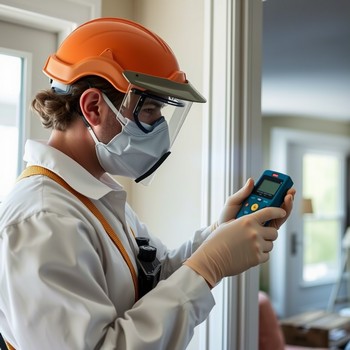 No, a home inspection is not required for a conventional loan. Unlike FHA loans, which mandate specific property standards, conventional lenders focus on your financial qualifications and the property's appraised value — not its physical condition.
However, skipping a home inspection is one of the costliest mistakes homebuyers make. A $400 inspection can reveal issues that cost $10,000 or more to repair, giving you crucial negotiating power before closing. In this guide, you'll learn exactly when inspections are required, how they differ from appraisals, and why they're still one of the smartest investments you can make in 2026.
What You'll Learn
Quick Answer: Do Conventional Loans Require Home Inspections?
The short answer is no. Conventional loans do not require a home inspection as a lender mandate. However, there are several important caveats:
- Lenders strongly recommend inspections to protect your investment
- Appraisers may flag issues that trigger lender-required inspections
- Certain property types (like those with septic systems) may require specialized inspections
- Your purchase contract may have an inspection contingency
For a complete overview of conventional loan programs, see our main guide.
Home Inspection vs. Appraisal: Key Differences
Many homebuyers confuse inspections and appraisals. Understanding the difference is crucial for protecting your interests:
What Is a Home Appraisal?
An appraisal determines the property's market value. The lender orders and pays for it. The appraiser compares your home to similar properties recently sold nearby. If the appraisal comes in lower than the sale price, the deal may fall apart.
What Is a Home Inspection?
An inspection evaluates the physical condition of the property. You order and pay for it. The inspector checks the roof, foundation, plumbing, electrical, HVAC, and more. The inspection report helps you understand repair needs and negotiate fixes.
| Feature | Appraisal | Inspection |
|---|---|---|
| Purpose | Establishes market value | Assesses physical condition |
| Ordered By | Lender | Buyer |
| Paid By | Buyer (usually) | Buyer |
| Required? | Yes, for loan approval | No, but strongly recommended |
| Cost | $300-$500 | $300-$500 |
| What's Checked | Comparable sales, property features | Structural integrity, systems, safety |
Learn more about conventional loan requirements to understand what lenders actually look for.
When Are Inspections Required by Lenders?
While not generally required, there are specific situations where a lender may demand an inspection:
1. Septic System Inspections
A septic inspection may be required if the property uses a septic system instead of municipal sewer. Lenders want verification that the system is functioning properly, as a failed septic system can be a health hazard and cost $3,000 to $10,000+ to replace.
2. FHA or VA Loans
While this article focuses on conventional loans, note that FHA and VA loans have stricter property requirements and may require inspections for certain issues.
3. Appraiser-Identified Problems
If an appraiser notices a visible defect (like a roof leak, broken window, or exposed wiring), the lender may condition loan approval on a professional inspection and repair.
4. Properties in Certain Regions
Some regions require inspections for specific concerns:
- Termite inspections in areas with high termite activity
- Radon testing in regions with elevated radon levels
- Lead-based paint inspections for pre-1978 homes
- Structural inspections for older or unique properties
5. Investment Properties
Lenders may be stricter with investment property loans, potentially requiring additional inspections to verify the property's condition and rental viability.
Common Issues Found During Home Inspections
Home inspectors routinely find problems that cost real money to fix. Knowing what they commonly discover helps you prepare for negotiations:
- Plumbing problems - Leaks, low water pressure, corroded pipes, outdated systems ($1,000-$8,000)
- Electrical issues - Outdated wiring, unsafe DIY work, insufficient capacity ($1,500-$5,000)
- Roof damage - Missing shingles, leaks, poor drainage, aging materials ($5,000-$15,000)
- Foundation cracks - Structural concerns, settling, water damage ($10,000-$50,000)
- HVAC problems - Aging or malfunctioning heating/cooling systems ($3,000-$10,000)
- Water damage - Mold growth in basements or crawl spaces ($2,000-$10,000)
- Inadequate insulation - Poor energy efficiency, high utility costs ($1,500-$5,000)
- Pest infestations - Termite damage, rodent issues ($1,000-$5,000)
Finding these issues before you buy gives you leverage. You can ask the seller to fix problems, give you a credit at closing, or lower the price. Without an inspection report, you have no proof of problems and no negotiating power.
Top Benefits of Getting a Home Inspection
1. Avoid Surprise Repair Costs
Buyers who skip inspections regularly face $5,000 to $20,000 in unexpected costs within the first year. A $400 inspection is cheap insurance against this financial shock.
2. Negotiate from Strength
With an inspection report showing specific problems, you can ask sellers to:
- Make repairs before closing
- Provide a credit at closing
- Reduce the purchase price
- Address safety concerns immediately
Learn about seller concessions on conventional loans to reduce your out-of-pocket expenses.
3. Gain Peace of Mind
Knowing the home's condition helps you feel confident in your purchase. You understand future maintenance needs and can budget accordingly.
4. Protect Your Family's Health and Safety
Inspectors identify electrical risks, mold, asbestos, radon, and other dangers that could affect your family's wellbeing.
5. Build Documentation for Future Resale
The inspection report becomes part of your home's history and is helpful when you eventually sell.
How Much Does a Home Inspection Cost?
Home inspection costs are straightforward. Most inspections range from $300 to $500, with factors that affect pricing:
- Home size - Larger homes cost more to inspect
- Property age - Older homes may require more time
- Location - Some areas have higher inspector rates
- Add-on inspections - Radon, mold, termite, or septic checks cost extra ($100-$300 each)
- Specialized systems - Pools, wells, or solar arrays require additional expertise
This cost is minimal compared to potential savings. Finding a $10,000 roof problem during inspection gives you negotiating leverage. You could save $5,000 by requesting a credit instead of discovering the problem after closing.
Think of the inspection as an investment, not an expense. You're investing a small amount to protect yourself from large, unanticipated expenses. To see how inspection credits might affect your overall loan costs, try our mortgage calculators hub.
Frequently Asked Questions About Home Inspections
Is a home inspection required for a conventional loan?
No, a home inspection is not required for conventional loan approval. However, lenders strongly recommend getting one to protect your investment and detect possible problems before closing. For more guidance, see our qualifying for a conventional loan overview.
Do conventional loans require inspection before closing?
Inspections are not a lender requirement, but most buyers arrange one during the contingency period, which is typically 7 to 10 days after making an offer. This schedule allows you to handle any issues ahead of finalizing the loan.
Can I skip the home inspection to save money?
While you can skip the inspection, it's one of the riskiest decisions you can make. Unforeseen repairs after closing could cost thousands of dollars - far more than the inspection fee. The $300 to $500 inspection cost is usually worth the protection.
Is a septic inspection required for conventional loans?
A septic inspection is not universally required, but lenders may request one if the property uses a septic system. Ask your lender early whether they require verification of a functioning septic system.
What's the difference between an inspection and an appraisal?
An appraisal determines the home's market value and is ordered by the lender. An inspection assesses the home's physical condition and is arranged by the buyer. Both serve different purposes and are typically completed separately.
What happens if the inspection reveals problems?
You have several options: ask the seller to make repairs before closing, request a credit at closing to make repairs yourself, negotiate a lower purchase price to account for repairs, or walk away if problems are too serious or expensive.
Who pays for the home inspection?
The buyer typically pays for the home inspection. It's your investment in understanding the property's condition before committing to the purchase.
For a complete list of planning tools, visit our mortgage calculators hub.
Final Thoughts: Protect Your Investment
A home inspection protects you during one of life's biggest purchases. While not required for conventional loan approval, skipping this step is risky. A $300 to $500 investment can save you thousands of dollars in unforeseen repairs and give you negotiating leverage.
Key takeaways:
- Inspections are not required by conventional lenders, but they're strongly recommended
- Appraisals are required to confirm property value - these are different from inspections
- Certain situations (septic systems, appraiser-identified issues) may trigger lender-required inspections
- Common problems found include plumbing, electrical, roof, and foundation issues costing thousands
- Inspection costs ($300-$500) are minimal compared to potential repair costs
- Negotiating power comes from having documentation of problems
Your home is the largest purchase you'll likely make. Spending a small amount on a thorough inspection is one of the smartest decisions you can make. Don't let savings of a few hundred dollars put you at risk of discovering major problems after you own the home.
Connect With Us
Please share – it really helps